Why Legal Craft Marijuana Is Changing How We Buy Cannabis
For years, buying cannabis meant walking into a shop with fluorescent lights and picking from a menu that listed little more than a strain name and a THC percentage. That model is fading. A growing number of consumers now want something closer to what the wine and coffee worlds have long offered: a product with a story, a sense of place, and a level of care that mass production cannot match. This shift is driving demand for what many call legal craft marijuana, and it is reshaping how growers, retailers, and customers think about the plant.
I first noticed the change a few years ago when a friend handed me a jar of flower from a small farm in Oregon. The label listed the grower's name, the harvest date, and a note about the volcanic soil the plants had grown in. That jar cost more than the generic eighths I was used to, but the difference was obvious from the first smell. The aroma was layered, the cure was clean, and the smoke was smooth. That experience made me start asking where my cannabis came from, and I soon found I was not alone.
What Makes Craft Cannabis Different
Legal craft marijuana is not just a marketing term. It describes a method of production that prioritizes quality over yield, and care over speed. Small-batch growers typically handle every step of the process themselves, from seed selection to harvest to curing. They tend to use organic cannabis practices, avoid synthetic pesticides, and pay close attention to the conditions each plant needs. The result is a product that reflects the grower's skill and the land it came from, much like a single-origin coffee or a wine from a specific vineyard.
One of the most important factors is terroir, a concept borrowed from wine that refers to how climate, soil, and geography affect a crop. For cannabis, terroir influences everything from the plant's size to its cannabinoid profile and, most noticeably, its aroma. Cannabis terpenes, the compounds responsible for scent and flavor, develop differently depending on whether a plant is grown in sandy loam, volcanic ash, or clay. A sativa grown at high elevation in cool nights will produce a different set of terpenes than the same strain grown in a hot valley. These nuances matter to a cannabis connoisseur, and they are exactly what small-batch growers aim to preserve.
The Role of the Online Dispensary
As more people seek out these distinctive products, the way we buy them is changing too. An online dispensary like Kush Station has stepped in to connect consumers directly with growers who operate on a smaller scale. Instead of walking into a store and guessing, customers can read detailed descriptions of each strain, see lab testing results, and browse cannabis reviews from other buyers. This transparency builds trust and helps people make informed choices based on their preferences, not just on a THC number.
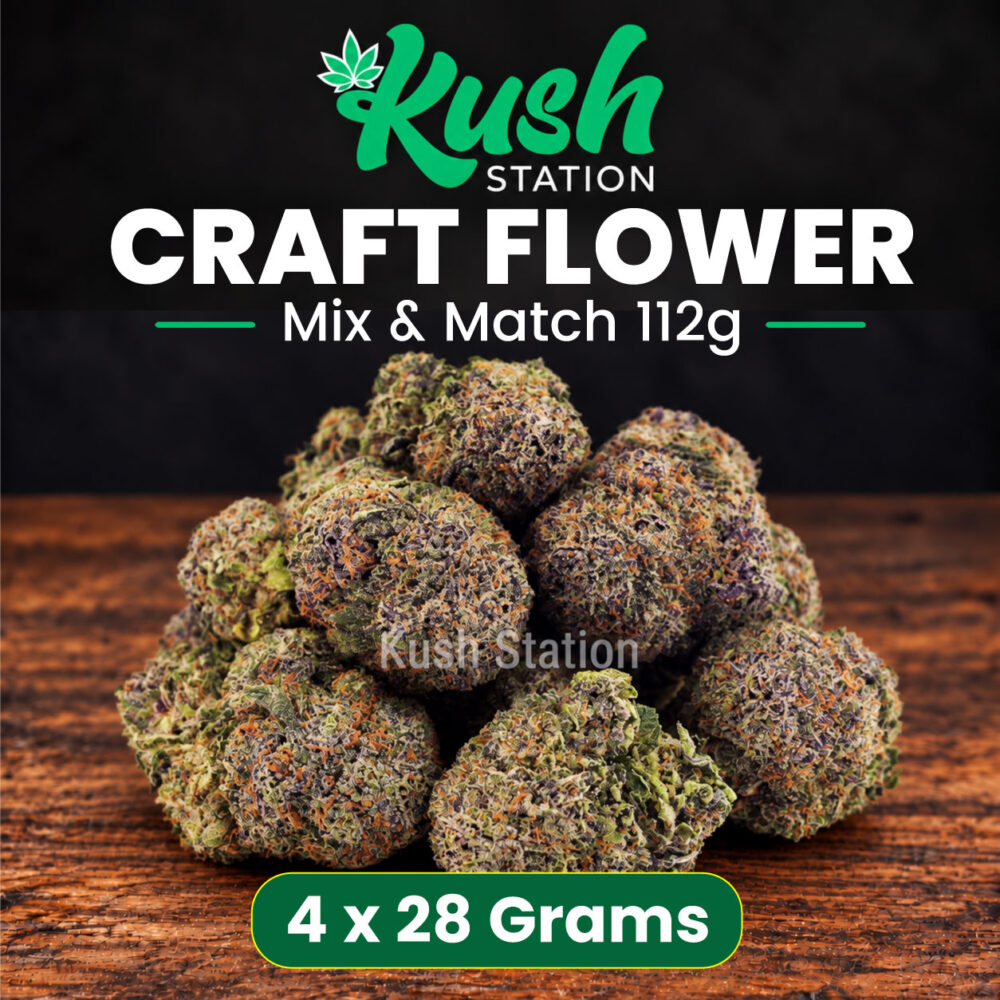
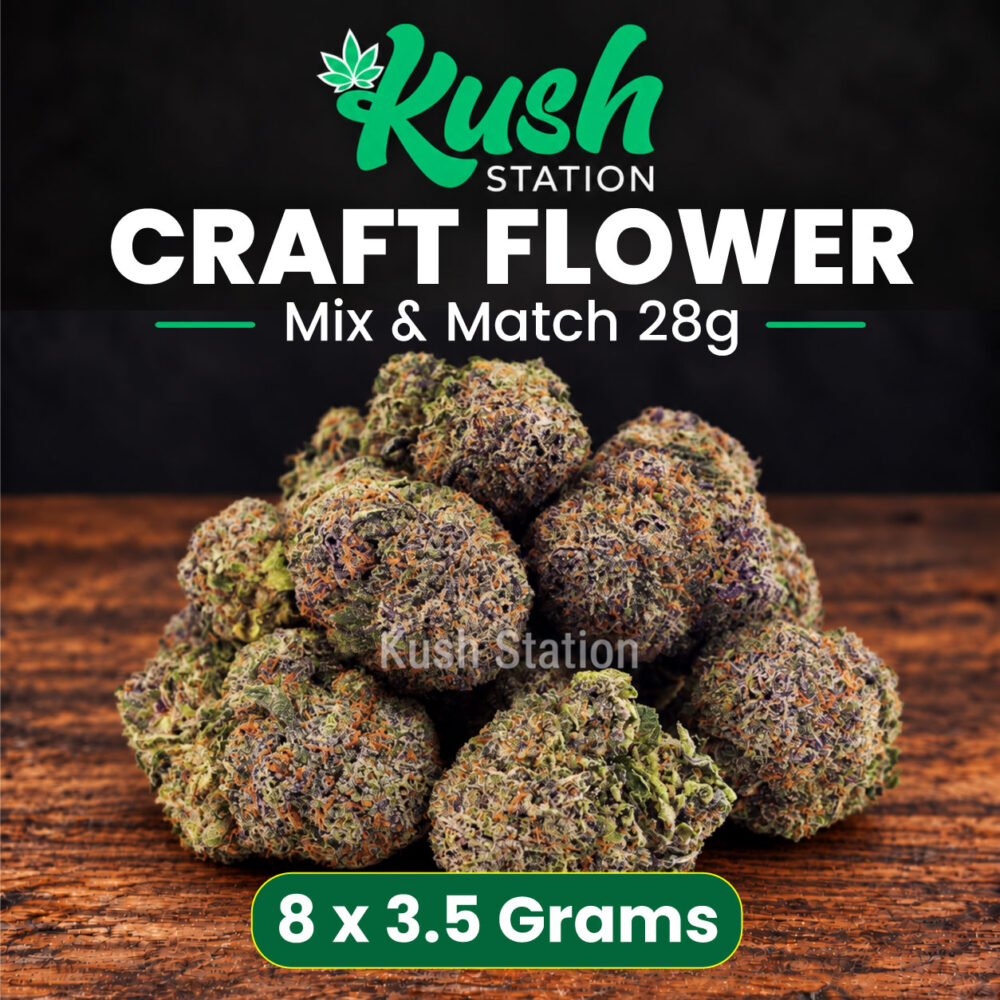
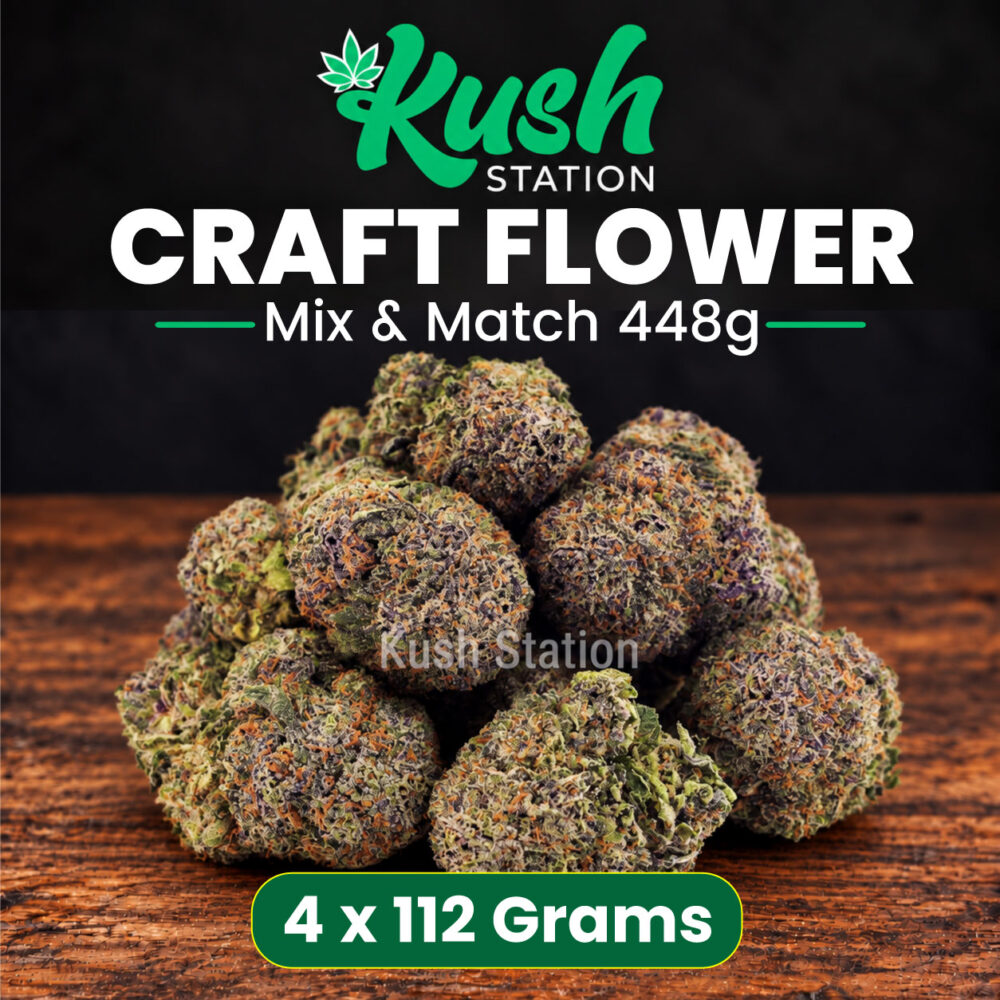
One of the most convenient options I have seen is the mix and match bundles offered by some online retailers. These let you pick several different strains in smaller quantities, which is ideal if you want to sample a variety of artisanal strains without committing to a large amount of a single one. For me, that has been a great way to explore different growers and find the ones whose style matches my taste. It also reduces the risk of buying a quarter ounce of something that sounds good on paper but does not deliver in practice.
Understanding Strain Categories
When you start exploring craft flower, the familiar categories still apply, but they take on more depth. Indica strains from a careful grower will often have a richer, more complex flavor profile than a mass-produced version of the same strain. The same goes for sativa and hybrid varieties. The difference is not just in the effects but in the experience of smelling, breaking apart, and vaporizing the flower. A hand-trimmed bud retains more of its delicate trichomes than one that has been machine-harvested, and that attention to detail shows in the final product.
I have also noticed that growers in a grower cooperative tend to share knowledge and techniques, which raises the quality across the board. When small farms collaborate, they can invest in better curing processes, more precise climate control, and more thorough lab testing. This kind of cooperation benefits everyone, especially the consumer, who gets a more consistent and enjoyable product.
The Value of Lab Testing and Transparency
Lab testing is another area where craft cannabis stands apart. Reputable growers test their flower for potency, purity, and contaminants, and they make those results available to buyers. This is not just about safety, though that is important. It is also about understanding what you are consuming. Knowing the exact profile of cannabis terpenes and cannabinoids in a batch helps you predict the experience more accurately than relying on a strain name alone. For example, two batches of the same strain can smell and feel completely different if the terpene ratios shift, and lab results capture that variation.
When shopping for legal craft marijuana, I always look for a certificate of analysis from a third-party lab. It tells me the grower is confident enough in their product to share the numbers. It also gives me a baseline for comparing different batches and growers over time. Some online dispensaries include these reports right on the product page, which makes the whole process feel more professional and trustworthy.
Limited Releases and Subscription Boxes
One of the more interesting developments in the craft space is the rise of limited release drops. These are small batches of a particular strain that are only available for a short time. For growers, this allows them to experiment with new genetics or growing techniques without committing to a full season of production. For buyers, it creates a sense of discovery and exclusivity. I have picked up some of the most memorable flower I have ever tried from limited release batches, and I keep an eye on my favorite growers' announcements for the next one.
Another option worth considering is a cannabis subscription box. Several online dispensaries offer monthly or quarterly boxes that deliver a curated selection of craft flower to your door. The best ones let you choose your preference for indica, sativa, or hybrid, and some even tailor the box based on your past purchases or reviews. I tried one for a few months and found it a convenient way to stay exposed to new growers without having to spend hours researching. It also forced me to try strains I would not have picked myself, and a few of those became staples in my regular rotation.
Building a Deeper Connection to the Plant
At its core, the move toward legal craft marijuana is about reconnecting with the plant on a more personal level. Mass-produced cannabis has its place, especially for people who need a reliable, affordable option for medical use. But for those who have the time and interest to explore, craft flower offers a richer experience. It rewards curiosity and patience. It turns buying cannabis from a simple transaction into a chance to learn about agriculture, chemistry, and the people behind the product.
I still remember the first time I opened a bag of hand-trimmed, small-batch flower and smelled something that reminded me of pine forest after a rain. That kind of specificity does not happen by accident. It comes from a grower who paid attention to every detail, from the soil mix to the drying room humidity. Those are the products I keep coming back to, and they are the ones I recommend to friends who want to understand what cannabis can really be.
Whether you are browsing an online dispensary for mix and match bundles or signing up for a cannabis subscription box, the key is to stay curious. Ask questions, read reviews, and try things that are outside your usual preference. The world of craft cannabis is still young, and there is plenty left to discover. If you treat each purchase as an opportunity to learn, you will find that the quality of the experience improves as much as the quality of the product itself.